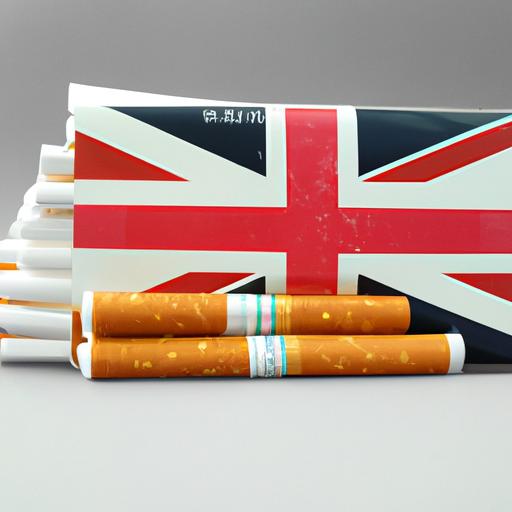
As a long-time smoker, I have seen a lot of changes in the world of cigarettes in the United Kingdom. From the types of cigarettes available to the increasing regulations and taxes, the landscape of smoking has evolved over the years. In this article, I will take you on a journey through the world of cigarettes in the UK, from their history to their current state.
History of Cigarettes in the UK
Cigarettes first arrived in the UK in the 16th century, brought over by the Spanish sailors. However, they were not popularized until the late 19th century when cigarette manufacturing machines were invented, making them more affordable and accessible to the general public. Initially, cigarettes were mostly hand-rolled, and their main consumers were the elite due to their high cost.
In the 20th century, cigarettes started to gain popularity among all social classes, with tobacco companies introducing various branding and marketing strategies. Advertisements for cigarettes were everywhere, and it was seen as glamorous and stylish to smoke. However, this all changed in the 1950s when studies began linking smoking to various health issues, including lung cancer and heart disease.
Cigarettes Today
Today, cigarettes are still widely consumed in the UK, despite the numerous restrictions and regulations. According to the Office for National Statistics, in 2019, approximately 14.1% of the UK’s population aged 18 and above were smokers. This number has been declining over the years, thanks to the efforts of the government and health institutions in promoting the dangers of smoking.
One of the biggest changes in the UK’s cigarette scene is the introduction of plain packaging in 2016. All cigarette packets must now have a standardized brown color and graphic health warnings taking up at least 65% of the front and back of the pack. The aim of this is to make smoking less appealing, especially to the youth, and to ensure the health warnings are more noticeable.
Types of Cigarettes in the UK
There are three main types of cigarettes available in the UK: hand-rolled, factory-made, and electronic.
Hand-rolled cigarettes, also known as roll-ups, are made by hand using rolling papers, loose tobacco, and filters. These are preferred by some smokers as they believe they have a better taste compared to factory-made cigarettes. Hand-rolled cigarettes are also cheaper than factory-made ones, making them a more affordable option.
Factory-made cigarettes, on the other hand, are mass-produced using machines and consist of finely cut tobacco enclosed in a paper tube with a filter at one end. Factory-made cigarettes come in various brands and are available in different sizes, such as king size, slim, and super slim. The type of tobacco used and the filter can also vary among brands, giving smokers a wide range of options to choose from.
In recent years, the popularity of electronic or e-cigarettes has increased in the UK. These electronic devices use a battery to heat a liquid containing nicotine, which is then converted into vapor and inhaled. They are marketed as a healthier alternative to traditional cigarettes, and some people use them as a way to quit smoking. However, there is still ongoing debate and research on the long-term effects of e-cigarettes.
Cost of Cigarettes in the UK
Cigarettes in the UK are not cheap, and their cost has been increasing steadily over the years. In the budget announcement of 2020, the Chancellor of the Exchequer announced an increase in tobacco duty, which resulted in a 27p increase on the price of a pack of 20 cigarettes. As of April 2021, the average cost of a pack of 20 cigarettes ranges from £8.50 to £13.50, depending on the brand and type.
The high cost of cigarettes is due to the high taxes imposed on them. The aim of these taxes is to discourage people from smoking and generate revenue for the government. Additionally, the minimum legal age for purchasing cigarettes in the UK is 18 years old, and ID is required for all sales.
Smoking Laws and Policies in the UK
The UK government has implemented various laws and policies over the years to regulate smoking and protect non-smokers from the harmful effects of secondhand smoke. Some of these laws include the smoking ban in public places, which came into effect in 2007, and the ban on smoking in cars with children present, which was introduced in 2015.
In recent years, there has also been a push towards reducing the exposure of children to smoking, including measures such as prohibiting smoking in playgrounds and primary school premises. The government has also set a target to make the UK smoke-free by 2030, which would mean less than 5% of the population will be smokers.
Effects of Smoking on Health
I have been a smoker for many years, but I am well aware of the negative effects it can have on my health. Smoking is the leading cause of preventable death in the UK, with more than 80,000 deaths attributed to smoking-related diseases each year.
Some of the health risks associated with smoking include lung cancer, heart disease, stroke, and respiratory diseases. Smokers are also at a higher risk of developing other health issues, such as tooth and gum diseases, infertility, and erectile dysfunction.
Quitting Smoking
Despite the numerous health warnings and regulations, quitting smoking can be a challenging journey. Many smokers, including myself, struggle with addiction and the habit of smoking. Fortunately, there are various resources and support services available in the UK to help smokers quit.
The NHS offers a free smoking cessation service, which provides counseling, medication, and support to those who want to quit. There are also numerous charities and support groups that offer similar services. Additionally, there are also various quit smoking apps and online resources that can assist smokers in their journey to becoming smoke-free.
In conclusion, cigarettes in the UK have come a long way since their arrival in the 16th century. From being a symbol of glamour and luxury to being heavily regulated and taxed due to their harmful effects, cigarettes have undergone significant changes. As a smoker, I am well aware of the risks associated with smoking, and although quitting is not easy, I hope to one day be smoke-free.