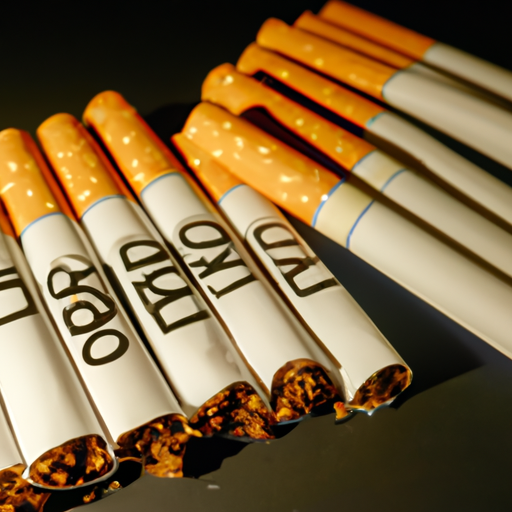
As I sit down to write this article, I can’t help but feel a sense of guilt and conflict. You see, I am a cigarette smoker, and I am fully aware of the dangers and consequences of my habit. Yet, despite all the warnings and restrictions, I continue to light up, contributing to the massive cigarette consumption in the UK.
Cigarettes have been an integral part of British culture for centuries. They have been glamorized in movies, advertisements, and even by iconic figures like James Bond. But the reality is far from glamorous. Cigarettes are responsible for over 100,000 deaths in the UK every year, making it the leading cause of preventable death.
I started smoking when I was just a teenager, influenced by my friends and the attractive packaging of cigarettes. It started as a rebellious act, but before I knew it, I was hooked. Now, years later, quitting seems like an impossible feat. The nicotine addiction has a tight grip on me, and the thought of going without a cigarette for even a day is daunting.
But I am not alone in this battle. According to the latest statistics, there are over 7 million adult smokers in the UK, and despite the continuous decline in overall smoking rates, it is still a significant problem that needs to be addressed.
One of the biggest factors contributing to the high number of smokers in the UK is the easy accessibility of cigarettes. They are sold in almost every corner shop, supermarket, and gas station, making it incredibly convenient for anyone to purchase them. The low prices of cigarettes also make it difficult for smokers to resist, despite the ever-increasing taxes on tobacco products.
But the government is taking steps to tackle this issue. The introduction of plain packaging and graphic health warnings on cigarette packs has been a significant move towards discouraging smoking. Companies are no longer allowed to use flashy designs and enticing words to market their products. Instead, all cigarette packs are required to have a standard olive green color, with prominent warnings and graphic images depicting the harmful effects of smoking.
The effectiveness of these measures, however, is debatable. As a smoker, I can attest that the visual warnings have little to no impact on my decision to smoke. For most smokers, it has become a habit to ignore these warnings and continue with their daily routine. Furthermore, as the packaging has become more uniform, it has become harder for me to distinguish between different brands, making it easier to switch to cheaper options.
Another significant aspect of smoking in the UK is the smoking ban, which was introduced in 2007. This ban made it illegal to smoke in enclosed public places, including pubs, restaurants, and workplaces. As a non-smoker, this was a welcome move, as it meant I no longer had to inhale secondhand smoke while out and about. But as a smoker, it was an inconvenience, as I now had to go outside if I wanted to light up.
However, the smoking ban has been proven to be highly effective in reducing secondhand smoke exposure and encouraging smokers to quit. It also made smoking less socially acceptable, as smokers were now ostracized and forced to stand outside in the rain to smoke. This change in social norms has played a crucial role in making new generations less likely to start smoking.
But despite all these efforts, smoking is still prevalent in certain communities and demographics. The working-class and low-income groups are more likely to smoke, as they see it as a way to cope with stress and emotional turmoil. It is also prevalent among vulnerable groups such as the homeless, people with mental health issues, and prisoners.
The tobacco industry plays a significant role in targeting these vulnerable groups, with aggressive marketing and the introduction of cheaper cigarette options. This has led to health inequalities, as these groups are more likely to suffer from tobacco-related illnesses, but have limited access to healthcare.
As a smoker, I am also a contributor to the environmental damage caused by cigarette consumption. Cigarette butts are the most littered item in the world, and they contain toxic chemicals that can harm marine life and contaminate water sources. The production of cigarettes also has a significant impact on the environment, with deforestation and chemical pollution being some of the consequences.
Despite all this information and knowledge, I continue to smoke, and I am not alone. Breaking free from this addiction is not easy, and as much as I want to quit, I struggle to find the motivation and support to do so. But I recognize the harmful effects of my habit, not just on my own health but also on the environment and those around me. It is a constant battle between my addiction and my willpower, and every day, I strive to be more mindful of my actions.
In conclusion, cigarette smoking in the UK is a complex issue with various contributing factors. It is not a problem that can be solved overnight, and it will take a concerted effort from individuals, communities, and the government to combat it. As a smoker, I urge fellow smokers to consider the consequences of their actions and to be mindful of the impact on themselves and those around them. And for non-smokers, I implore you to be understanding and supportive of those trying to quit. Together, we can work towards creating a healthier and smoke-free future for the UK.